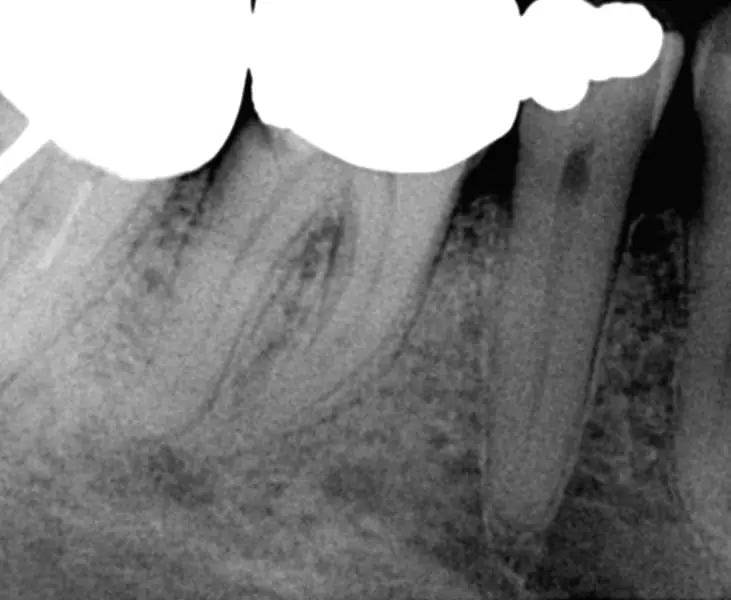
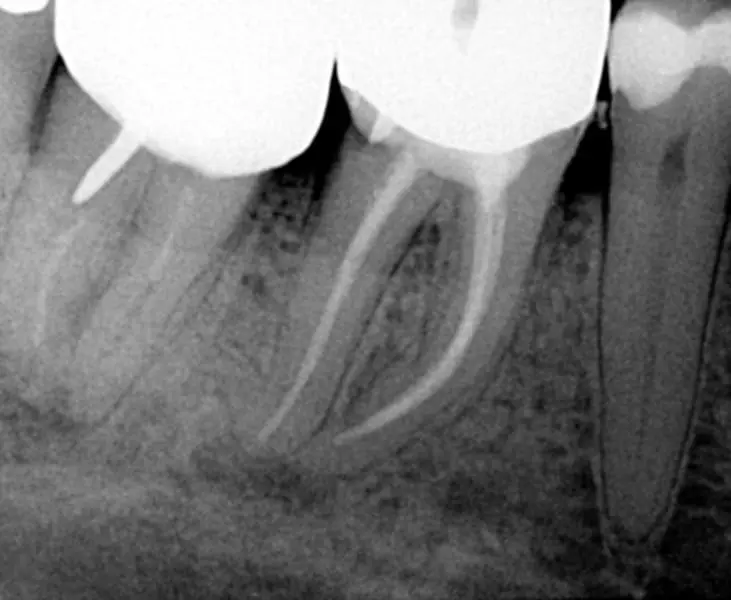
A root canal treatment, also known as Endodontic treatment, is a dental procedure performed to treat an infected or damaged tooth pulp. During the procedure, the dentist removes the infected or damaged pulp, cleans the root canal system, and then fills and seals it to prevent further infection or discomfort.

Professional Dentistry
Why Root Canal?
A root canal is also known as endodontic treatment. “Endo” is Greek for “inside.” “Odont” is Greek for “tooth.” Therefore, an endodontic treatment treats the inside of the tooth.
Unlike a basic cavity, which only affects the enamel and dentin of the tooth, a root canal is necessary when the pulp of the tooth has become inflamed or infected. This can be extremely painful for the patient, and if left untreated, it can lead to an abscess.
Root canal therapy is designed to save the tooth and prevent the need for extraction and tooth replacement.
By removing the infected or inflamed pulp, specialist endodontists effectively remove the source of the pain, providing some much-needed relief. They also seal the root canals to help reduce the spread of infection in the surrounding gum tissues and jawbone.
Get in touch to learn more about root canal treatment or to make an appointment with our expert dentist.
What to Expect During Your Root Canal Appointment
Root canal treatment typically takes 60-90 minutes.
The first step is to book an initial consultation so your dentist can assess your symptoms, examine the affected tooth, check for signs of infection, and take X-rays. They’ll also discuss the root canal treatment procedure, recovery, aftercare, and costs to ensure you’re fully informed from the start.
During your procedure, your dentist will remove the affected pulp and place a crown or other restoration on top of your tooth to restore its strength and function.
Our root canal London treatment is done under local anaesthetic, and we use state-of-the-art techniques to perform this procedure to ensure patients feel minimal discomfort.
Once your mouth is numb, your dentist will create a small hole in the tooth to access the pulp chamber in the tooth, which is where the infected nerve will be located.
After the bacteria have been removed, the root canal is filled, and the tooth is sealed with a filling or crown to prevent bacteria from entering the tooth again.
Our highly trained dental professionals perform dozens of endodontic treatments every week, relieving our patients’ severe toothache and saving their smiles.
If you would like further information, contact us online or request an appointment by calling 020 7229 4033.
Load More
Recovery & Aftercare
You may experience slight discomfort prior to your root canal treatment, which may continue for a few days after the treatment.
It can take several hours before the feeling returns to your face and jaw after a local anaesthetic – so take extra care to not bump or knock the area.
Post-procedure discomfort can usually be relieved with over-the-counter pain relief, such as paracetamol or ibuprofen.
You may also be a little swollen and tender, which will resolve on its own over a couple of days, and any bruising should go down within two weeks of your procedure.
In the days following your root canal, London dentists usually advise you to eat soft foods and avoid hot and cold temperatures.
Longer term, you should continue your usual dental hygiene routine and attend regular appointments with your dentist. They may advise further X-rays and check-ups to ensure that the tooth is healing well.

Root Canal Pricing
If you need a root canal in London, speak to Kai Dental.
Our dental team has extensive experience in endodontics and prioritises patients’ oral health and comfort.
Starting from £350, we strive to make our specialist root canal treatment accessible to everyone and offer a clear breakdown of our fees during your consultation.
To help spread the cost and pay for your root canal in affordable monthly instalments, we also provide finance options.
So, why not get the ball rolling and visit our practice in Queensway today?
From £350
FAQs
An endodontic treatment becomes necessary when the dental pulp, which contains nerves, blood vessels, and connective tissue inside the tooth, becomes infected or damaged.
This can occur due to:
- Severe tooth decay – when a cavity is too large for a filling and extends into the pulp chamber.
- A cracked tooth – a damaged tooth can expose the tooth pulp to bacteria.
- Trauma – injury to the tooth can cause damage to the pulp, even if there are no visible cracks.
- Repeated dental procedures – multiple procedures or failed root canals can make a tooth more prone to pulp damage.
If left untreated, the infection can spread, leading to severe pain, abscess formation, and potential tooth loss.
Therefore, if you’re experiencing tooth pain or prolonged sensitivity, or you’ve noticed a loose tooth or a tooth that appears darker than the others, talk to Kai Dental, as you may need a root canal.
Modern endodontic treatment is performed using local anaesthesia, ensuring that the procedure is generally pain-free.
While some patients may experience mild discomfort or sensitivity after root canal therapy, it is usually temporary and can be managed with over-the-counter pain medications.
The primary goal of root canal treatment is to alleviate the pain caused by the infected tooth pulp, rather than cause additional toothache.
The duration of endodontic treatment can vary depending on the complexity of the case and the tooth being treated.
In most cases, a single appointment of about 60 to 90 minutes is sufficient to complete the procedure.
However, in certain situations, such as when there are multiple canals or the infection is severe, it may require multiple visits to complete the treatment.
A root canal is used to preserve teeth, allowing you to maintain a healthy, natural smile.
If you have severe gum disease, it may prevent your tooth from healing after the treatment.
The alternative to a root canal treatment is tooth extraction. However, preserving your natural tooth through endodontic treatment is usually the preferred option.
Extracting a tooth can lead to other complications, such as shifting of neighbouring teeth, difficulties in chewing, and the need for replacement options like dental implants or bridges.
It’s best to consult with your dentist to determine the most suitable treatment option based on your specific dental condition.

Treatment Spotlight
White Fillings
White Fillings are tooth-coloured composite resin fillings used to restore decayed teeth. They’re also used for aesthetic improvements to the smile. If you have a damaged or disfigured tooth, your Dentist may recommend a White Filling, allowing you to avoid more invasive dental treatments.
Dental Fillings
Having a filling is a relatively quick, straightforward procedure. A topical anaesthetic is used to numb the area of treatment. Beyond the whirr of the drill, you’ll feel little discomfort, if any at all.
Implants
Bone loss in the jaw can have detrimental effects on a person’s day-to-day life. Dental implants offer a permanent and natural-looking solution for people suffering from this condition and other dental issues.
Inlays / Onlays
An Inlay is a pre-moulded filling that fits directly on top of your tooth, fitting into the grooves. An Inlay is used as a restorative device when a tooth is severely damaged, or if there is decay that doesn’t affect the cusps of the teeth.
White Fillings
White Fillings are tooth-coloured composite resin fillings used to restore decayed teeth. They’re also used for aesthetic improvements to the smile. If you have a damaged or disfigured tooth, your Dentist may recommend a White Filling, allowing you to avoid more invasive dental treatments.
Dental Fillings
Having a filling is a relatively quick, straightforward procedure. A topical anaesthetic is used to numb the area of treatment. Beyond the whirr of the drill, you’ll feel little discomfort, if any at all.
Implants
Bone loss in the jaw can have detrimental effects on a person’s day-to-day life. Dental implants offer a permanent and natural-looking solution for people suffering from this condition and other dental issues.
Inlays / Onlays
An Inlay is a pre-moulded filling that fits directly on top of your tooth, fitting into the grooves. An Inlay is used as a restorative device when a tooth is severely damaged, or if there is decay that doesn’t affect the cusps of the teeth.
PROFESSIONAL DENTISTRY